First visit
10 Must-Visit Places in Korea for First-Time Visitors
By Korea Trip Mate · Published · Updated 2026-10-18
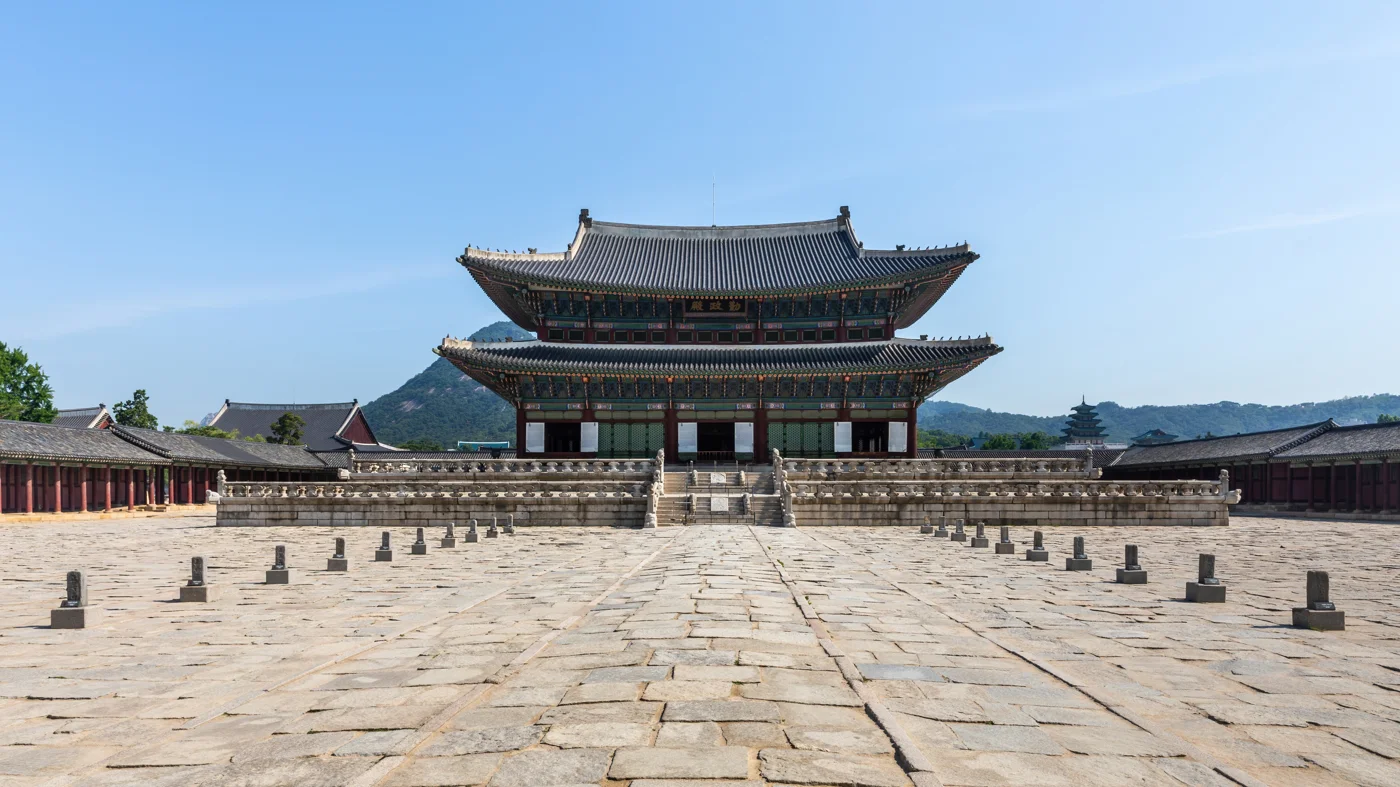
Photo: Basile Morin / Wikimedia Commons, CC BY-SA 4.0. Cover photo resized, converted to WebP and displayed with cropping. Original photograph.
Your first trip to South Korea does not need to include every famous attraction. A palace morning in Seoul, an evening beside the sea in Busan, and a walk through an ancient capital can tell very different stories about the country.
This guide brings together ten places to consider for your first visit, from historic landmarks to coastal scenery. These are editorial recommendations, not a ranking based on visitor numbers. Suggested visit times are planning estimates, excluding transport.
1. Gyeongbokgung Palace, Seoul
For a first look at royal Korea
Photo: Basile Morin / Wikimedia Commons, CC BY-SA 4.0. Resized and displayed to fit the article; original source is linked above.
With its courtyards, gates and mountain backdrop, Gyeongbokgung is a rewarding introduction to Seoul’s historic side. Give yourself time to walk beyond the entrance rather than stopping after the first photograph.
A hanbok rental can add something special if you enjoy dressing up, but comfortable shoes matter just as much. Much of the experience involves walking outdoors.
Suggested time: 1.5–2.5 hours. Continue towards Seochon or Insadong for lunch and a slower afternoon. Check the palace’s current opening calendar and any ceremony schedules.
Read our Gyeongbokgung Palace visitor guide.
2. N Seoul Tower, Seoul
For seeing how the city fits together
Seoul can feel enormous when you experience it one subway stop at a time. A visit to Namsan and N Seoul Tower gives you a different perspective on the city’s buildings, hills and neighbourhoods.
Choose this stop for the view and the surrounding walk. The paid observatory and outdoor areas offer different experiences, so decide which suits your budget and energy.
Suggested time: 1.5–3 hours. Combine it with time in Myeongdong. Check visibility and weather before committing to a skyline visit.
3. National Museum of Korea, Seoul
For adding meaning to the rest of your trip
Palaces and temples become more interesting when you understand some of the history behind them. The National Museum of Korea is a useful place to begin that journey.
Instead of trying to see every gallery, choose a few subjects that interest you. Ceramics, sculpture or early Korean history can each provide a satisfying focus. This is also an option for a day when you prefer an indoor activity.
Suggested time: 2–3 hours. Leave room for a relaxed meal afterwards. Check exhibition information, especially for separately ticketed displays.
4. Seongsu-dong and Seoul Forest, Seoul
For contemporary Seoul at a slower pace
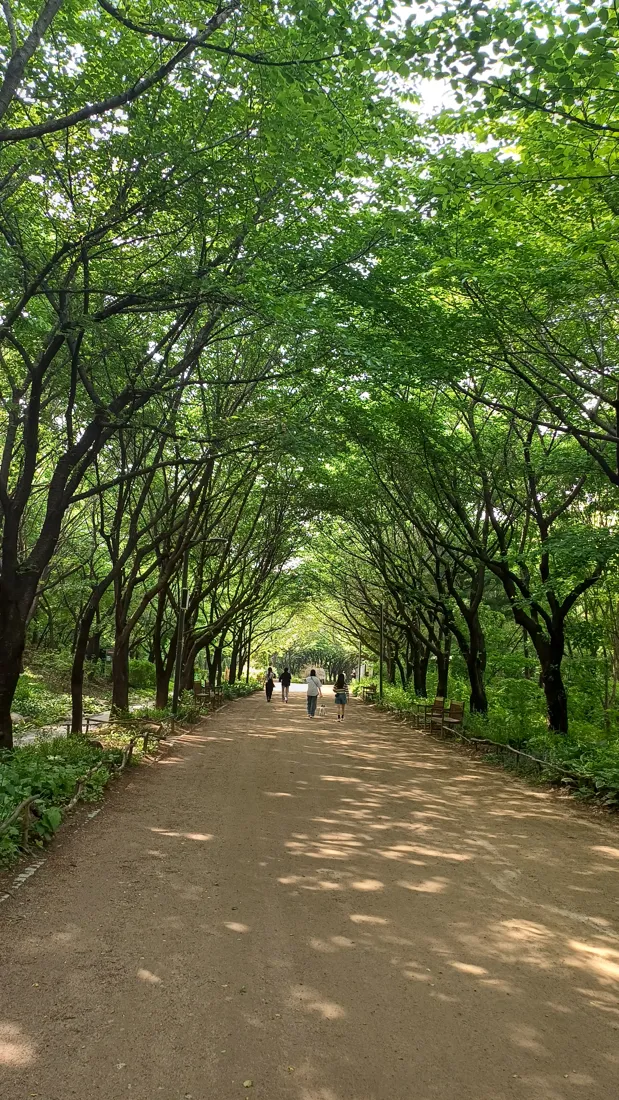
Photo: Striker9498 / Wikimedia Commons, CC0. Resized, converted to WebP and displayed with cropping. Original photograph.
If you enjoy cafés, design shops and exploring streets without a strict checklist, consider Seongsu-dong. Pair it with Seoul Forest for a mix of urban browsing and green space.
The appeal is in choosing your own stops. You do not need to join every café queue or find a particular social-media photo spot to enjoy the neighbourhood.
Suggested time: half a day. Start with a park walk, then choose a café or shops nearby. Check individual business hours; temporary shops and pop-ups change frequently.
5. Suwon Hwaseong Fortress, Suwon
For a historic outing beyond central Seoul
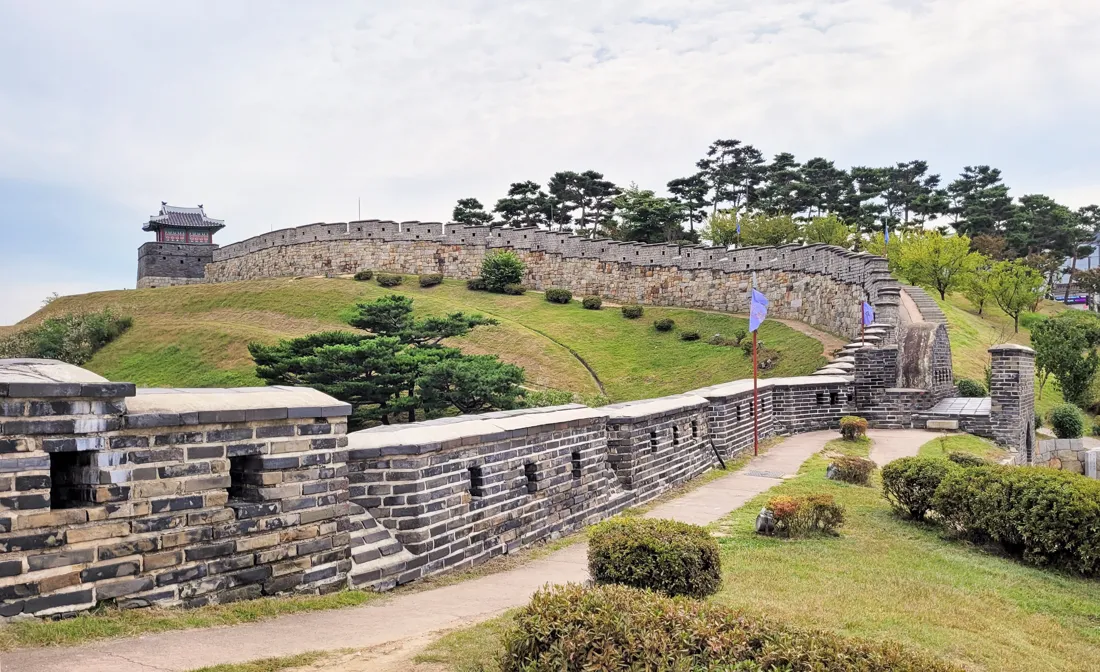
Photo: Bernard Gagnon / Wikimedia Commons, CC0. Resized, converted to WebP and displayed with cropping. Original photograph.
Suwon Hwaseong offers a different way to experience Korean history: walking beside fortress walls while the modern city continues around you.
Choose a manageable section rather than assuming you need to complete the entire route. The walls, gateways and neighbourhood streets make this an outing worth taking slowly.
Suggested time: half a day, plus travel. Add a meal and time to explore the surrounding streets. Plan your starting point and return journey, particularly in hot or wet weather.
6. Haeundae Beach, Busan
For an easy introduction to coastal Korea
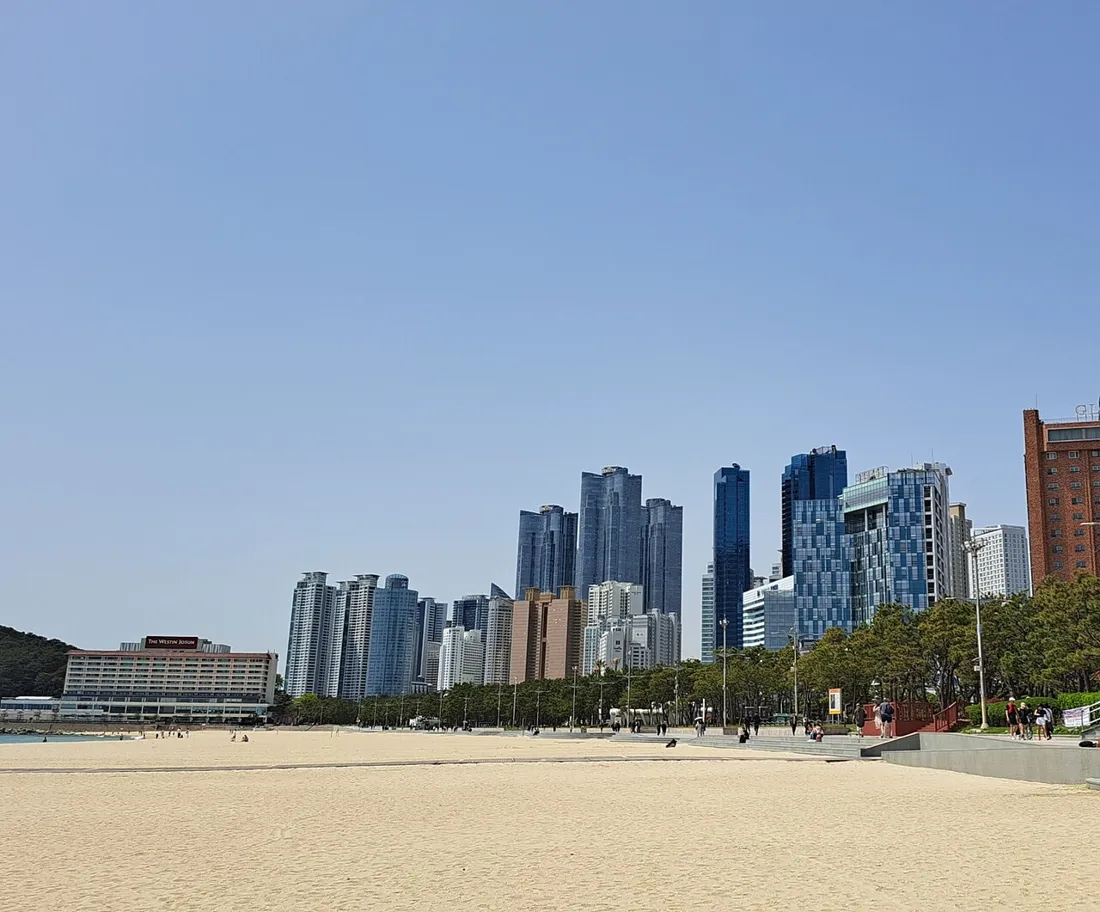
Photo: Hankook12 / Wikimedia Commons, CC0. Resized, converted to WebP and displayed with cropping. Original photograph.
Haeundae is a place to give your itinerary some breathing room. Walk beside the sea, sit down for a drink, or use the area as a base for exploring Busan’s eastern coast.
You do not need to visit during swimming season to enjoy a beach walk. The experience changes with the weather, season and time of day.
Suggested time: 2–3 hours, or a relaxed half-day. Choose another coastal stop after checking the route. Confirm seasonal beach rules if you plan to swim.
Explore our Haeundae accommodation-area guide.
7. Gamcheon Culture Village, Busan
For hillside views and winding lanes
Gamcheon’s colourful hillside setting makes it visually different from Busan’s waterfront areas. Explore at walking pace and let the lanes and viewpoints shape your visit.
It is also a residential neighbourhood. Keep voices low near homes, avoid blocking doorways and photograph people only with permission.
Suggested time: 1.5–2.5 hours. Consider a separate stop around Nampo or Jagalchi, allowing time for transport. Expect slopes and stairs; choose a shorter route if mobility is a concern.
8. Haedong Yonggungsa Temple, Busan
For a temple visit beside the sea
Haedong Yonggungsa combines a Buddhist temple visit with coastal scenery. It offers a contrasting experience to the urban streets and beach districts elsewhere in Busan.
Allow time to pause rather than treating the temple only as a photography stop. Follow signs around worship spaces and be considerate of people visiting for religious reasons.
Suggested time: 1–2 hours, plus travel. Plan it alongside other stops in eastern Busan. Check transport carefully and be prepared for stairs.
9. Daereungwon Ancient Tomb Complex, Gyeongju
For exploring Korea’s ancient capital
Gyeongju deserves time on a first trip if history interests you. Around Daereungwon, the landscape of ancient burial mounds creates a striking contrast with Korea’s modern city centres.
Use the tomb complex as the starting point for a wider visit, with time for nearby historic sights and a meal around Hwangnidan-gil. Avoid packing Gyeongju into a rushed stop between trains.
Suggested time: 1–2 hours for the complex; longer for the surrounding area. Explore central Gyeongju, with an evening stop if your schedule allows. Check opening arrangements for the specific sites you want to enter.
10. Seongsan Ilchulbong, Jeju
For a landscape that feels far from the city
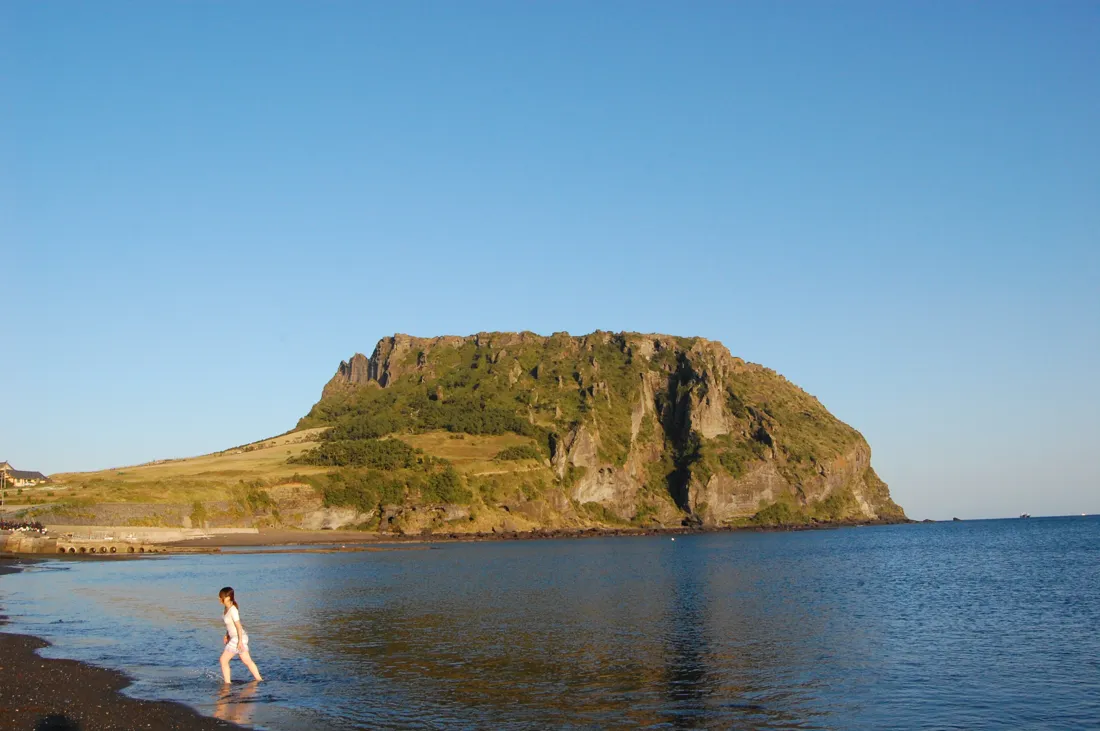
Photo: Justin De La Ornellas / Wikimedia Commons, CC BY 2.0. Resized, converted to WebP and displayed with cropping. Original photograph.
Seongsan Ilchulbong is a memorable choice for travellers adding Jeju to their trip. Its volcanic landscape and coastal setting offer a different side of Korea from the mainland’s palaces and city neighbourhoods.
Decide whether you want to climb or enjoy the surrounding area at ground level. Your choice should reflect the weather, fitness and time available.
Suggested time: 1.5–3 hours. Build a manageable route around eastern Jeju. Check weather and access information. Do not assume early-morning access is available simply because you want to see sunrise.
How Many of These Places Should You Visit?
For a short first trip, choose fewer places and spend more time enjoying them.
Around five days: focus on Seoul, with a Suwon outing if it fits your interests.
Around seven to nine days: consider Seoul and Busan, allowing for travel between them.
Around ten days or more: add Gyeongju or Jeju if you want a different experience. You do not need to include both.
These are starting points, not fixed itineraries. Arrival times, luggage, weather and your preferred pace affect what feels comfortable.
Explore Tours and Attraction Tickets
Want to add a guided outing or a ticketed experience? Browse tours and tickets on Trip.com. Choose your destination and travel dates, then check inclusions, meeting points, age requirements and cancellation terms.
This link opens Trip.com’s general tours and tickets page, not a booking page for any specific place in this article. Check the destination and product details before paying; many sightseeing areas can also be explored independently.
Affiliate disclosure: we may earn a commission if you book through this link, at no extra cost to you. The linked page currently opens in Korean; you can change its language on Trip.com.
Choose Your Hotel Around Your Itinerary
A hotel is useful when it makes your actual plans easier. Before booking, compare its location with the places you want to visit, your arrival route and evening plans.
For Seoul, check the nearest station, the walk to the entrance and the room’s cancellation terms—not just the neighbourhood name.
Compare Seoul hotels on Trip.com
Affiliate disclosure: we may earn a commission if you book through this link, at no extra cost to you. This link opens Seoul hotel results. The page currently opens in Korean; you can change the language on Trip.com.
For more help, explore our accommodation guides, trip routes and travel essentials.
Official Information and Planning Notes
Destination selection was informed by the Korea Tourism Organization’s 100 Must-Visit Tourist Spots of Korea. This article is our own selection, not the organisation’s top-ten ranking.
Check current opening hours, admission, access and transport before travelling. For official destination information, visit VISITKOREA.